Bridal Shower QR Code Ideas: Capture Every Photo Before the Big Day
WeddingSnap Team
5/19/2026
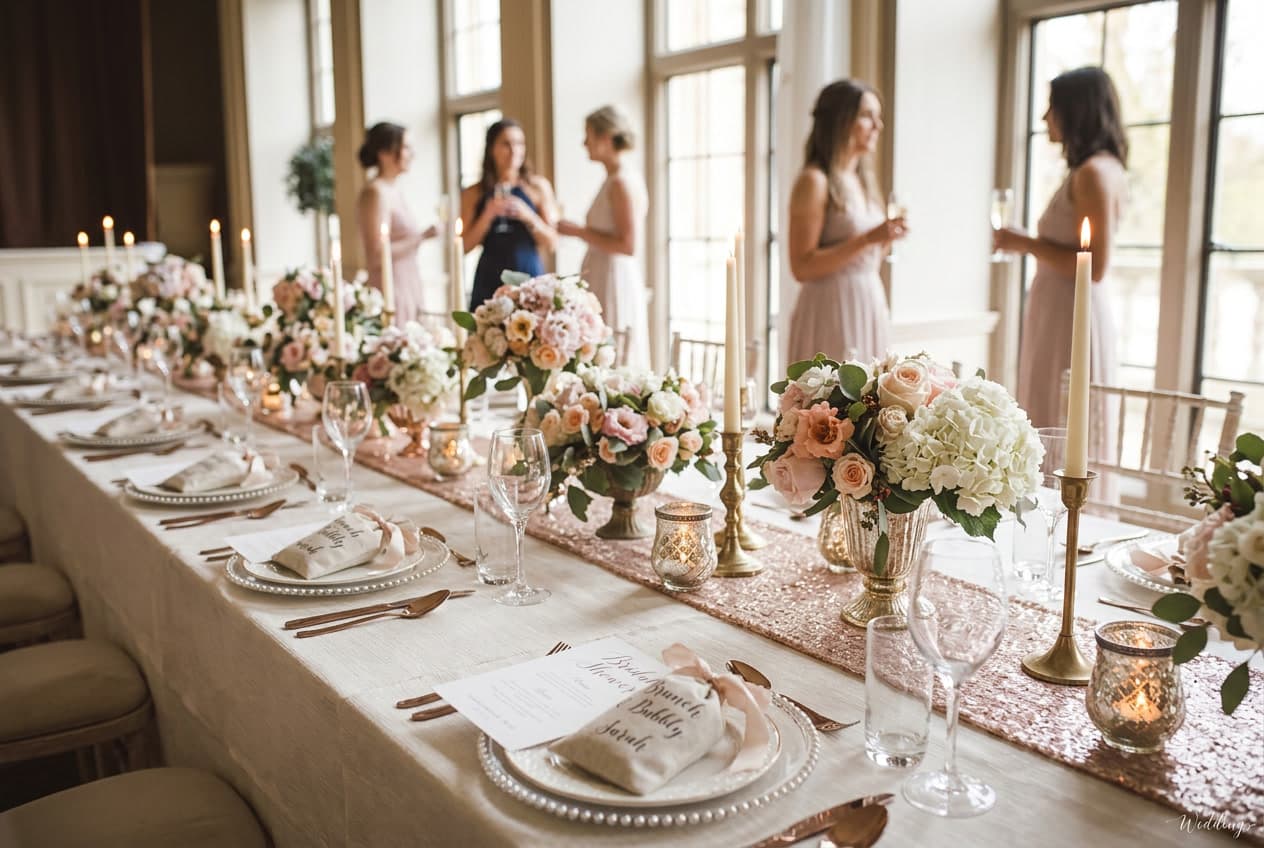
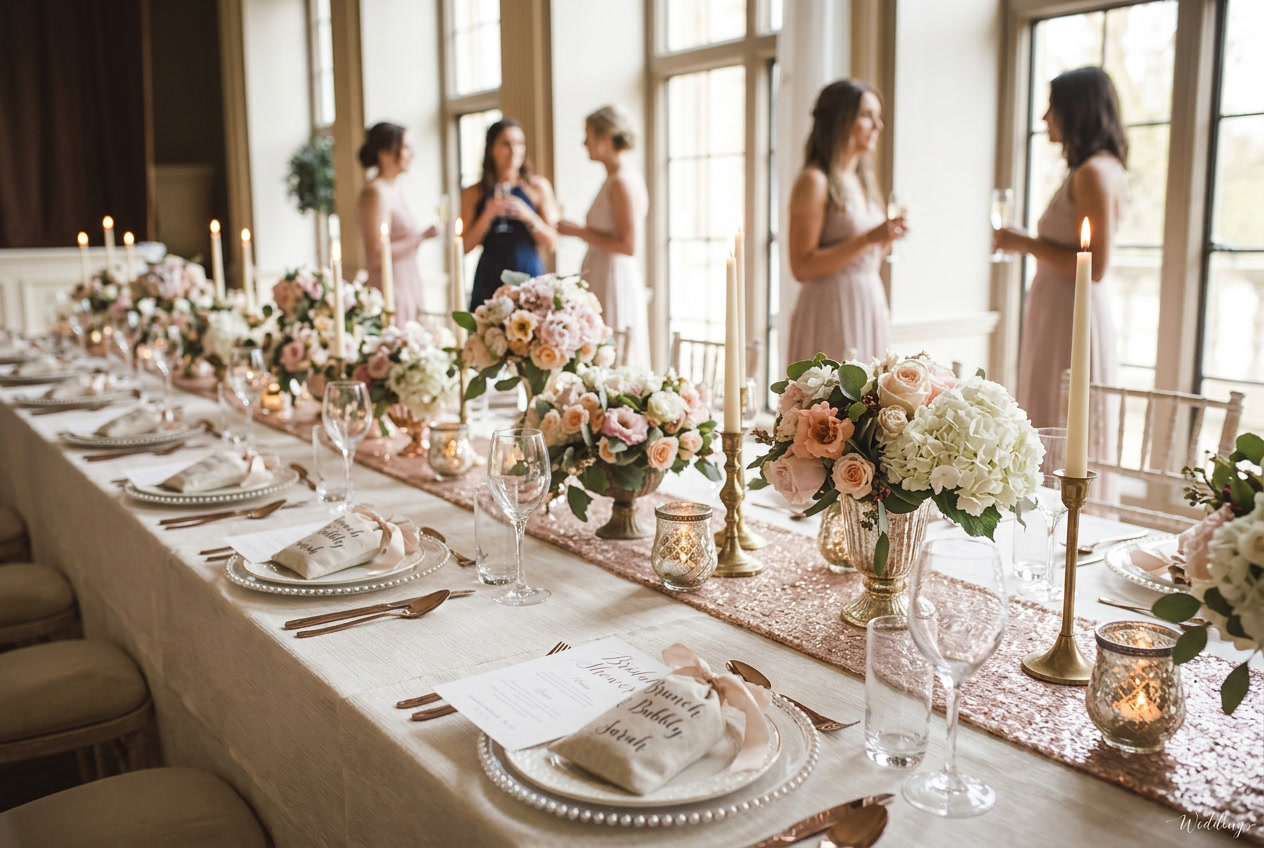
Twenty-five people come to a bridal shower. Every single one takes photos. A week later, the bride has seen maybe eight of them — the ones someone happened to post on Instagram — and the rest are sitting on phones that will never be checked again.
This is not a new problem. But it's one that a single QR code can completely eliminate, and almost nobody is talking about using one at a bridal shower specifically.
Most QR code articles for weddings focus on the wedding day itself. Makes sense. But here's what our data shows: bridal showers happen weeks before the wedding, and couples researching photo sharing tools are already looking before the event date arrives. May alone — peak bridal shower season — sees nearly six times the new signups we see in January. Couples aren't waiting until the week before the wedding to figure this out. They're researching now, often prompted by planning the shower.
The bridal shower is actually the perfect place to try a QR code photo setup. Smaller group. More intimate. Higher engagement. And if it works brilliantly at the shower, you'll use it at the wedding with total confidence.
Here's how to make it work — plus seven specific ideas that go way beyond "put a code on the table."
Why a Bridal Shower Is a Better Test Case Than the Wedding
The wedding is high-stakes. Two hundred guests, one shot at getting it right, and no time to troubleshoot a QR code sign that's too small to scan from across the venue.
A bridal shower is the opposite. You've got 15–30 people, a relaxed afternoon, and everyone's already on their phones. If something doesn't work, you notice immediately and fix it. If everything works perfectly — and it usually does — you've just rehearsed your wedding photo collection strategy with a real, live audience.
The photos themselves are worth capturing. Candid moments with the maid of honor, the embarrassing game photos, the group shot with the bride's college friends — these end up being some of the most meaningful pictures from the whole wedding journey. They disappear into phones just as reliably as wedding photos do.
If you're building out your whole photo strategy, the wedding QR code guide covers the full setup for the wedding day — come back to that after you've nailed the shower.
7 Bridal Shower QR Code Ideas That Actually Work
Most advice stops at "display a QR code so guests can share photos." That's a fine baseline. These ideas go further — they use the QR code as an active part of the shower experience, not just a passive upload box.
1. The Photo Challenge Card
Print a card at each place setting with a list of 5–6 specific photo prompts. Something like:
- A photo of the bride laughing
- The best table centerpiece detail
- A selfie with someone you don't see enough
- The dessert table before anyone touches it
- A candid moment nobody noticed
Put the QR code on the same card. Guests have a reason to take photos and a direct path to upload them. You'll end up with a curated set of shots that tells the whole story of the afternoon — not just five versions of the group shot.
This works especially well with 2026's experience-focused shower trend. Guests are already engaged in activities; the photo challenge adds a low-effort layer that doesn't interrupt anything.
2. The Advice Card + Photo Station
Set up a small table with advice cards — the printed kind where guests fill in "My best marriage advice is..." — and a printed QR code sign right next to it.
The ask: fill out your card, then scan the code and upload a photo holding it (or a selfie, or whatever feels right). Now the bride gets a physical advice card collection and a digital photo album that matches each person to their advice. It becomes a complete keepsake, not just a stack of index cards.
This pairs naturally with wedding photo ideas for guests — the same principle of giving people a specific reason to take a photo applies whether it's a shower or the wedding itself.
3. The Maid of Honor Recap Album
The MOH is usually running the show. She's also the one most likely to have behind-the-scenes shots — arriving early, setting up, the moment the bride walks in. She's not going to remember to send 40 photos to 25 people afterward.
Have her scan the QR code throughout the day and upload as she goes. By the time guests arrive, there's already an album started. It sets the expectation that the code is live and active — people see the upload count ticking up and want to add their own.
4. The Theme-Specific Photo Hunt
If the shower has a theme — and in 2026, they almost always do — build a mini photo scavenger hunt around it. Italian summer shower? Find something with a bow, the bride's drink, a floral arrangement, and someone's shoes. Garden party? Photograph a flower you didn't recognize, the best dressed guest, the first bite of food.
The QR code is the submission point. You can even offer a small prize for the guest who uploads the most photos by the end of the event — a candle, a gift card, whatever suits the group.
For a deeper dive into photo game mechanics, the wedding photo scavenger hunt post has a full framework you can adapt directly for a bridal shower.
5. The Table-by-Table Challenge
If the shower has multiple tables, assign each table a different prompt. Table 1 captures all the decor details. Table 2 captures candid people shots. Table 3 gets the food and drinks. Table 4 is in charge of getting the best photo of the bride all afternoon.
Print the assignment on a small card, put the QR code on the card, and let the tables compete. The result is a genuinely comprehensive album rather than 40 people all photographing the same centerpiece.
6. The Arrival Photo Moment
Put a QR code sign right at the entrance with a simple ask: "Scan and upload a photo with the bride before you sit down." You get arrival photos with everyone, the bride is part of every early shot, and it normalizes using the code before the formal activities start.
This solves a real problem: the guests who leave early without uploading anything. If they scan at arrival, their photo is already in the album before the mimosas are gone.
7. The Recipe + Photo Keepsake
Send guests a recipe card request when you invite them — ask each person to bring their favorite recipe written on a card. At the shower, pair the QR code upload station with the recipe collection spot.
Guests submit their recipe physically and upload a photo of themselves holding it (or just a selfie) digitally. The bride ends up with a handwritten recipe box and a matched digital album of the people behind each dish. It's a two-for-one keepsake that's genuinely hard to replicate any other way.
Setting It Up in About Two Minutes
This is genuinely simple. Here's the short version:
- Create a free event on WeddingSnap. Give it a name (something like "Emma's Bridal Shower") and set the date.
- Download your QR code. It generates automatically — no design tool needed.
- Print it on a sign, card, or table display. More on sign wording below.
- Guests scan and upload directly from their phone browser. No app, no account, no friction.
- After the shower, download the full album. Every photo, in one place, ready to share with the bride.
For the full technical setup — including how to customize the upload page, set a password, and download everything after the event — the QR code for wedding pictures guide walks through every step.
WeddingSnap takes about 2 minutes to set up — and guests upload directly from their phone browser, no app needed. Browse free sign templates →
Sign Wording Ideas for Your Bridal Shower QR Code Display
The wording on your sign determines how many people actually use it. Vague signs get ignored. Specific, friendly prompts get scans.
These are the formats that consistently get the highest participation:
The Direct Ask
Snap a photo. Scan to share.
Every picture goes straight to [Bride's Name]'s shower album.
[QR code]
The Challenge Version
Your mission, should you choose to accept it:
Take at least one photo today and upload it here.
The bride will see them all — no Instagram required.
[QR code]
The Keepsake Angle
Help us build [Bride's Name]'s shower album.
Scan, upload, and your photo becomes part of something she'll keep forever.
[QR code]
The Game Version (for scavenger hunt setups)
Complete your photo challenge. Upload here to enter the prize draw.
[QR code]
Keep the sign big enough to scan from sitting distance — at least 4 inches square for the QR code itself. If you're printing table cards, go bigger than you think you need. Small codes on small cards are the number one reason participation drops. You can grab free printable sign templates sized correctly at weddingsnap.io/free-templates.
The Bigger Picture: Using the Shower as a Wedding Rehearsal
There's a practical reason beyond the photos themselves to run a QR code at your bridal shower: you learn exactly what works before the stakes are high.
You'll find out if your phone's camera struggles with the code in certain lighting. You'll see whether guests naturally gravitate toward the sign or need a verbal nudge. You'll discover which prompt wording actually gets people to scan versus which ones they walk past.
All of that is useful information for the wedding day, where you won't have time to experiment. It's the same instinct behind the wedding guest photo ideas that work best — the ones that feel natural because they've been thought through in advance, not improvised on the day.
Some couples are even deliberately going semi-unplugged at the ceremony while leaning into guest photos during cocktail hour and the reception. If that's a direction you're considering, it's worth reading about the unplugged wedding ceremony approach before you decide — it changes how you frame the photo-sharing ask for guests.
The couples who get the best photo collections aren't the ones who set up the most sophisticated system. They're the ones who practiced. The bridal shower is your practice run.
Frequently Asked Questions
What is a bridal shower QR code?
A scannable code that sends guests to a shared upload page — no app required. They scan, they upload, and every photo lands in one album you control. It solves the "photos scattered across 25 phones" problem before the wedding even happens.
How do I make a QR code for a bridal shower?
Create a free event on WeddingSnap, download the auto-generated QR code, and print it on a sign. The whole process takes under two minutes. Your guests don't need an account or an app — they just scan and upload.
Do guests need to download an app?
Not with WeddingSnap. Everything happens in the phone's browser. This matters more than people realize — app download friction is exactly why most QR code photo solutions have low participation. Remove the barrier, and people actually use it.
Can I use the same QR code at my bridal shower and my wedding?
You can set up separate events, which keeps the albums clean and distinct. Many couples use the shower as a genuine test run — work out any kinks with a smaller group, then deploy with confidence at the wedding. It's the smarter approach.
Ready to Set It Up?
WeddingSnap takes about 2 minutes to set up — and guests upload directly from their phone browser, no app needed. Browse free QR code sign templates →
If you want to see how other couples have structured their full photo strategy, the wedding QR code guide covers everything from display placement to getting the best participation rates on the wedding day itself.
Planning resources worth bookmarking: The Knot's 2026 bridal shower trend report and Green Wedding Shoes' bridal shower theme guide are the two best current references for shower planning more broadly.